
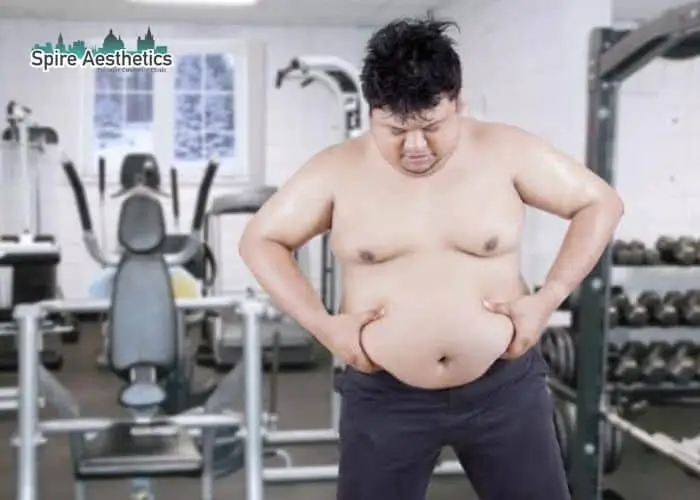
Can Diet And Fat-Freezing Effectively Reduce Stomach Fat?
When it comes to reducing tummy fat, two common approaches are clean eating and exercise, as well as non-invasive fat-reduction methods such as fat freezing. But how much can you actually get done with each of them, and how do they compare? Let’s explore.

Why the “lower belly” often sticks around
Even if you’re eating well and working out, you might notice specific bulges or fat deposits around your abdomen that refuse to budge. It can happen because:
- Some fat is more stubborn than others—especially the subcutaneous fat (just under the skin) that tends to accumulate on the stomach and flanks.
- According to Cleveland Clinic, diet and exercise usually reduce the size of fat cells but do not remove them entirely. Fat freezing procedures, such as cryolipolysis, have been shown in studies to reduce fat by an average of 15 to 28 percent about four months after treatment.
So, when you’re wondering “Why is my stomach fat still there?”, part of the answer is simply that this area is complex to change, even with good habits.
How diet and exercise contribute
A sensible, calorie-controlled diet plus regular exercise remains the cornerstone of reducing overall body fat. Key points:
- Good nutrition (lean proteins, vegetables, whole grains, and fewer processed foods) helps limit extra calories and supports fat loss.
- Regular exercise—both cardio and strength training—supports fat burning, builds lean muscle (which boosts metabolism), and improves body composition.
- Significantly: diet + exercise impact your entire body’s fat stores—they are not targeted tools for one spot.
Hence, if your goal is to reduce stomach fat Sandy, diet and exercise are essential—but alone they may not always remove those more resistant fat pockets.
What is fat-freezing (cryolipolysis) & how does it work
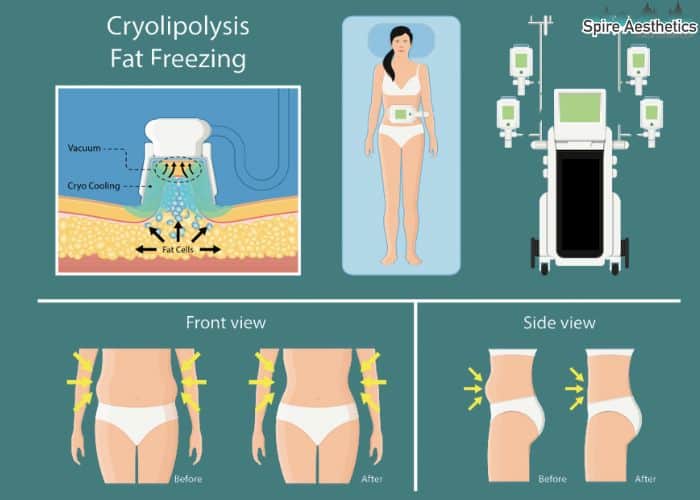
Non-surgical fat-reduction technologies—often called fat-freezing or cryolipolysis—have become popular for targeting specific areas of fat. In essence:
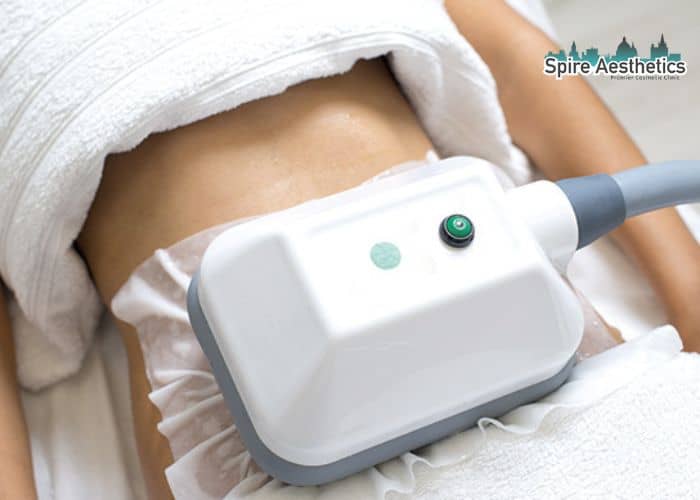
- A device is applied to the target area, which cools the fat cells to a temperature that triggers apoptosis (fat-cell death) while sparing surrounding skin and tissue.
- Over weeks or months, your body’s natural clearance systems gradually remove the treated fat cells.
- Important caveat: this is not a weight-loss procedure but a body-contouring method. It works best on people who are close to their ideal weight but want help with one or more stubborn areas.
Can fat-freezing and diet together reduce stomach fat?
In many cases, yes, but with realistic expectations and the right circumstances. Here’s how combining them can work:
What diet + exercise bring:
- They reduce overall fat levels, shrink fat cells throughout the body, and improve muscle tone and metabolic health.
- They set a strong foundation for better results from any targeted treatment.
What fat-freezing adds:
- It offers the possibility of reducing the number of fat cells in a specific area (for example, the abdomen), thereby refining contour where diet and exercise alone may struggle.
- It is a less invasive procedure than surgical procedures such as liposuction.
Realistic outcome:
- Expect slow rather than fast improvements: many providers report that results are noticeable after 8-12 weeks or more.
- For fat-freezing to provide optimised results, you should be within 30% of your ideal weight, i.e., at a healthy weight and in good skin tone.
- Because some fat—intense visceral fat (around organs)—cannot be treated with external devices, you’ll still need diet + movement to address these deeper deposits.
What it won’t do (and setting the right expectations)
- Fat-freezing will not substitute for a complete weight-loss plan. If you’re significantly overweight, you’ll want to prioritise diet + exercise first.
- It won’t remove visceral fat (deep inside the abdomen) or drastically change your BMI overnight. These require lifestyle change and sometimes medical input.
- You may need more than one session (or a combination of treatments) for a visible effect.
- Maintenance is key: If you treat one area but then gain weight elsewhere, those other fat stores can expand, offsetting the benefit.
Practical guidance for best results
- Choose a reputable clinic with experience in body-contouring treatments—ask about the technology used, expected outcomes, and follow-up.
- Combine a balanced diet (not crash-fads) with consistent strength and cardio training.
- After a fat-freezing session: stay hydrated, continue with your healthy habits, and give your body time (8–12 weeks or more) to show results.
- Avoid expecting perfection: everyone responds differently.
FAQs About Diet and Fat Freezing Sandy For Stomach Fat
Q: Can I solely rely on diet to reduce stomach fat Sandy?
While diet plays a crucial role in fat loss, combining it with physical activity and other treatments, like fat freezing, can yield better results.
Q: Is fat freezing safe?
Yes, fat freezing is considered a safe procedure Sandy when performed by qualified professionals. It has minimal side effects and requires little to no downtime. It is FDA-approved as well.
Q: How long do the results of fat freezing last?
Depending on your lifestyle choices, results can last months or years. If you have maintained a healthy diet and keep exercising, your results will likely stick around.
Q: How many fat-freezing sessions are needed?
Depending on the size of fat pockets, anywhere between 1 and 3 sessions are needed to achieve results.
While many people see results after just one session, additional sessions may be suggested for optimal fat loss.
Q: Can fat freezing eliminate all my stomach fat?
Fat freezing is not whole-body fat reduction; it only targets specific areas of fat. Fat loss, in general, requires a well-rounded approach that includes diet and exercise.
Q: What should I eat after fat freezing treatment?
According to a 2023 study, maintaining a well-balanced diet with the right amounts of fruits, vegetables, lean proteins, and healthy foods can support recovery and enhance the outcomes of fat-reduction procedures such as cryolipolysis.
Q: How do diet and fat freezing Sandy work together for long-term results?
Together, these two approaches help you build a powerful method for losing your stomach fat. Fat freezing will target stubborn fat areas. Meanwhile, a healthy diet reduces overall body fat and prevents new fat from depositing in the treated areas.
Final thoughts : Can Diet and Fat Freezing Really Reduce Stomach Fat Sandy?
The bottom line: Yes—diet plus fat freezing can reduce stomach fat—but successful outcomes depend on reasonable expectations, excellent general wellness, adherence to a healthy lifestyle, and utilising fat-freezing as an adjunct rather than a shortcut. Similarly, if you are within reach of your desired weight yet wrestling with a firm belly flap afterwards, this concoction of 3 might be the option you need.
For Further Information, Please Call Us 03300 100 092